Why are Thai Roads So Quiet?

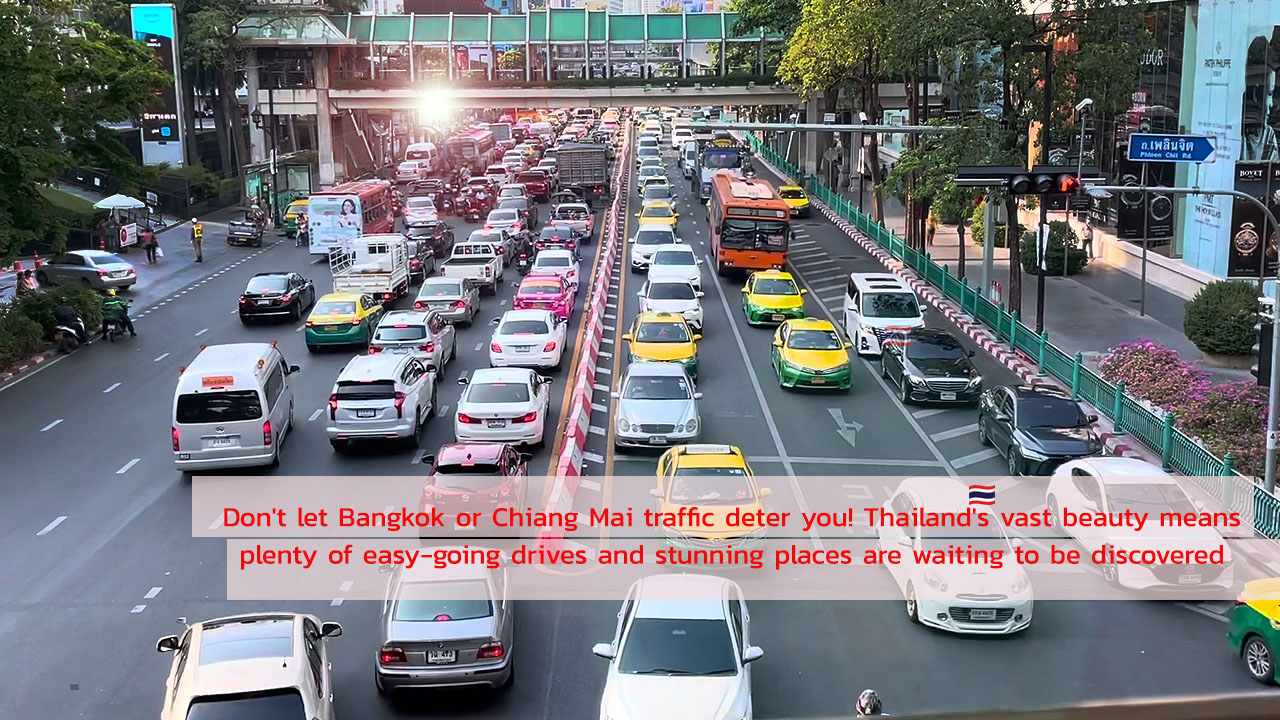
Thailand’s roads? They often puzzle foreigners due to the stark difference in honking in Thailand! If you’re a traveler just arriving, prepare for a surprising “silence” – people here rarely honk!
Why are Thai Roads So Quiet? A Culture of Honking That’s Totally Different!
You might be used to roads in other countries where a one-second delay at a green light earns you a chorus of horns. But step into Thailand, a land known for its incredible street food, and that scene vanishes instantly!

Honking in Thailand is seen as aggressive! That’s right! Blasting your horn unnecessarily here is considered an act of aggression, sometimes even outright disrespect. Most Thais go to great lengths to avoid using their horns.
So, if no honking, how do we warn others? This is where Thai cleverness shines! We’ll use “hazard lights“ or “high beams“ to signal other cars instead of the horn. It’s a gentle warning, avoiding direct confrontation.
There’s a common joke among Thais: “Thai car horns are for temples and friends, not for randomly honking at strangers.” That’s because honking in Thailand at a stranger without good reason can escalate into a major issue, sometimes even leading to a “street brawl” as some jokingly say. This is a key part of Thai driving etiquette that many might not be familiar with.
How Does Driving in Thailand Reflect Thai People?
The culture of driving on our roads isn’t just about traffic laws; it’s a clear mirror reflecting the Thai personality and values!
Calm… Avoiding Conflict: Relationships Focused on Gentleness
Thais are known for their calm demeanor and conflict avoidance. Honking in Thailand is seen as confrontational, which Thais generally dislike. So, we opt for light signals to give a “gentle warning” and maintain harmony.
“Kreng Jai” (Consideration) is the Heart of Coexistence
The word “Kreng Jai“ (ความเกรงใจ) is the key to how Thai society functions, and it heavily influences driving behavior. Thais prefer to “yield” rather than “clash.” Even in heavy traffic, you’ll see Thais being patient and letting go, rarely honking impatiently. This reflects our desire to save face for others and strive for peaceful coexistence. It’s a prominent aspect of Thai driving etiquette.
Respect and Hidden “Dignity”
Don’t misunderstand, Thais aren’t always completely calm! Some comments hint that careless honking in Thailand can lead to aggression because Thais have a very high “sensitivity to their dignity.” Impolite honking might be interpreted as disrespect, potentially leading to unforeseen incidents. This is why we choose to honk in Thailand only at acquaintances or important places like temples, as a sign of respect.

A Society Focused on the “Collective” More Than the “Self”
Thais generally show consideration for other road users and try to avoid causing annoyance. This reflects a culture that emphasizes “thinking of the collective“ and the desire to coexist harmoniously. Driving in Thailand is like a microcosm of a society that values good manners and reconciliation.
So, How is Driving in Thailand Different from Other Countries?
Let’s clearly see how the driving culture in Thailand differs from other nations:
- The Silence of Thai Roads : Unlike many countries where horn blasts are the constant background noise, be it India, Vietnam, or China, in Thailand, you’ll experience a greater “calm” on the roads. Even foreigners comment that Thailand has the quietest roads in Asia! This is the unique charm of the silence of Thai roads.
- Avoiding Confrontation : Other countries might use horns to assert dominance or give clear warnings, but in Thailand, we have a “Kreng Jai culture” and avoid confrontation, so we don’t honk unnecessarily.
- Lights Over Sound : While in many countries, flashing lights might convey displeasure, Thais prefer to use “hazard lights“ or “high beams” to warn cars ahead instead of honking, which signifies politeness.
- Reflecting Societal Values : Not honking in Thailand isn’t just about driving behavior; it’s a reflection of our calmness, mutual respect, and the desire “not to make anyone lose face.” This differs from some countries where honking might be considered normal and unrelated to emotions.
- Different Risks : If you honk randomly in Thailand, you might risk a “street brawl” as jokingly mentioned by netizens. In some countries, honking might not lead to such severe consequences. This is another perspective on the silence of Thai roads, subtly hinting at underlying sensitivities.
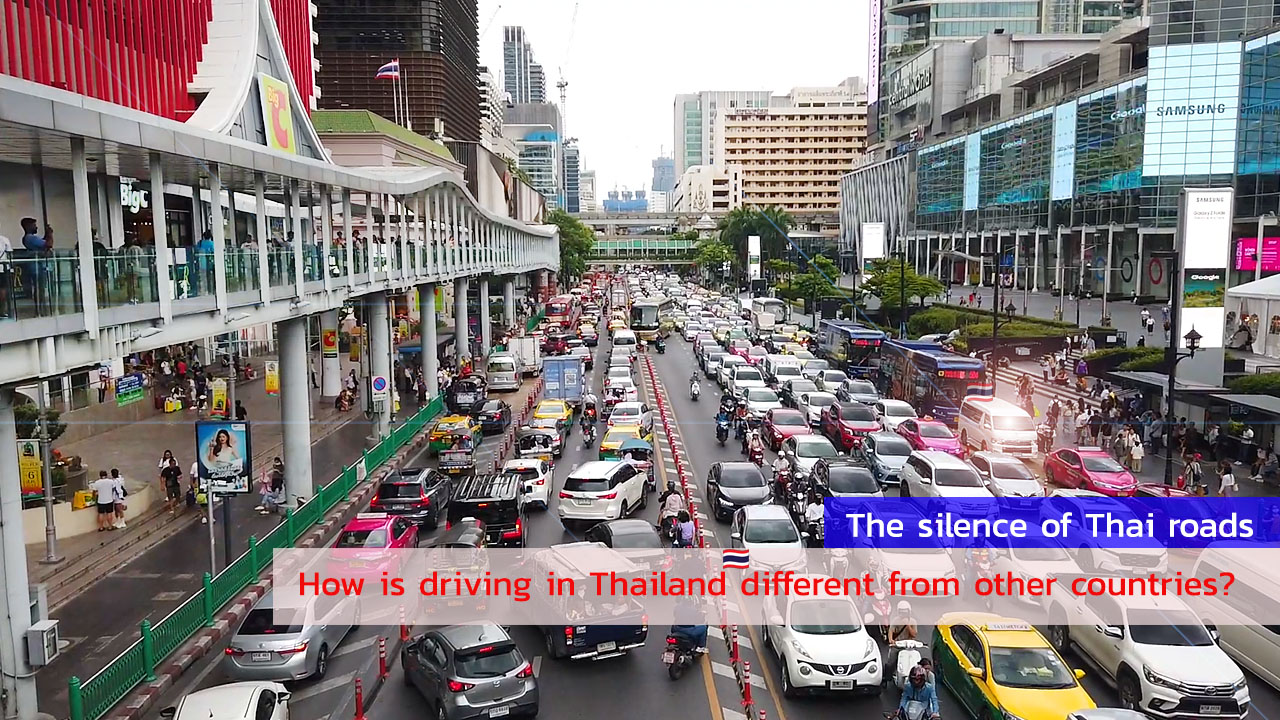
Conclusion, how is driving in Thailand different from other countries? It’s more than just getting from point A to B; it’s a reflection of a culture that is calm, considerate, and emphasizes harmony in society. It’s one of the charms you’ll experience when visiting Thailand! The silence of Thai roads is truly something that both surprises and helps in understanding the Thai identity.
Follow us for more insider guides and updates on Thailand’s top destinations and experiences. @thaiimpact on x.com
About The Author