A Comprehensive Guide to Indigenous Peoples of Thailand
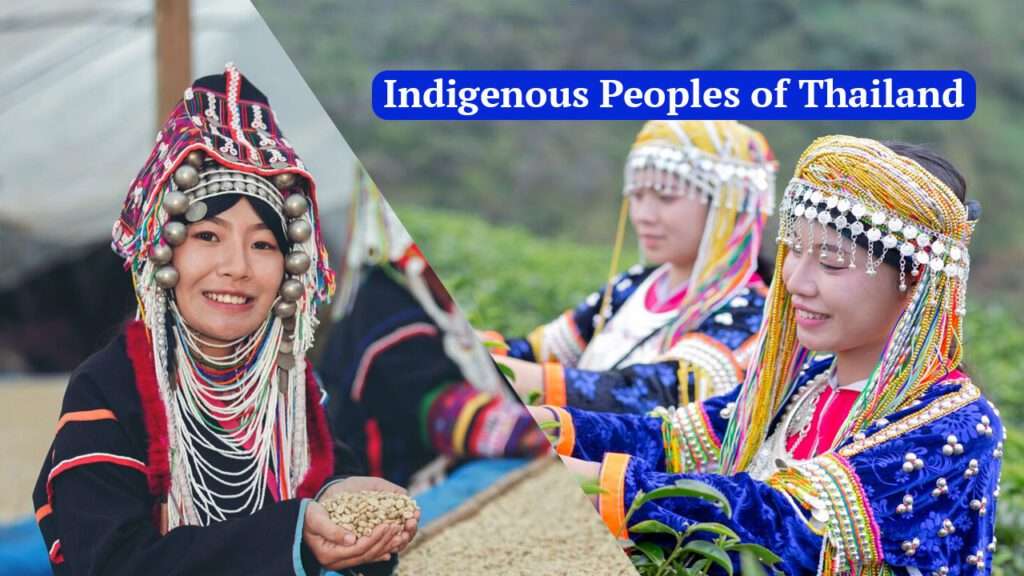
Indigenous Peoples of Thailand create a profound cultural tapestry, which lies hidden within the rugged mountains and remote coastlines. Visitors widely recognize Thailand for its beautiful beaches and magnificent temples. These communities, often collectively called “Hill Tribes” in the North or “Chao Ley” (Sea Gypsies) in the South, are the original custodians of the land and its ancient heritage.
What is the Difference: “Hill Tribe” vs. “Indigenous People”?
The term “Hill Tribe” (Chao Khao) is common in tourism; nevertheless, the term Indigenous Peoples is certainly more accurate and respectful. It acknowledges their deep, original connection to the land across all regions of Thailand, not just the mountains. We must recognize all Indigenous Peoples of Thailand for their unique contributions to the nation’s heritage.
A Journey Through Thai Ethnic Diversity: Regional Clusters
Researchers broadly categorize Indigenous Peoples of Thailand based on their language families and geographical location. This structure helps researchers and tourists understand their distribution across the country.
Northern Thailand : The Mountain Kingdoms – Home of the Thailand Hill Tribes
This region is the heartland of the Thailand Hill Tribes (Chao Khao), primarily speaking languages from the Sino-Tibetan and Austroasiatic families. Many of these groups settled here centuries ago.
| Tribe/Group | Cultural Signature |
| Karen (Kariang) | They are masters of the rotational farming method, known for complex textile patterns, and the Hee Klong rituals. |
| Hmong | The Hmong are known for their exquisite silver jewellery, their vibrant pleated skirts, and the spectacular New Year Festival. |
| Akha | Their identity is defined by elaborate headdresses, the sacred Akha Gate, and the social code of Akha Zae. |
| Lisu | The Lisu are easily recognizable by their brightly coloured clothing and their vibrant, joyful community dances. |
Southern Thailand: The Nomads of the Sea and Forest
This cluster includes important Thai Ethnic Groups who live by the sea and groups deep in the rainforests. They speak languages from the Malayo-Polynesian family and adapt skillfully to their unique environments.
| Tribe/Group | Cultural Signature |
| Moken (Sea Gypsies) | They are expert free-divers, known for their traditional Kabang boats and semi-nomadic life on the Andaman Sea. |
| Mani (Negrito) | These are forest hunter-gatherers (Chao Pa) who still live in temporary shelters (Thap) deep within the jungles of the Peninsula. |
Eastern & Northeastern Thailand: The Mon-Khmer Lineage
These groups trace their cultural roots to the ancient Mon-Khmer language family, linking them to early regional history.
| Tribe/Group | Cultural Signature |
| Chong | This ancient group in Chanthaburi and Trat is known for its historical connection to the ruby and gem mining industry. |
Cultural Deep Dive: What Makes Them Unique
To truly understand these groups is to appreciate the intricate details of their daily lives. Visitors should take the time to learn these details.
1. Textiles and Identity (Visual Culture)
- Hmong Batik uses complex techniques with natural dyes and wax resistance in its creation.
- Karen Weaving involves symbolism encoded in every pattern, indicating the wearer’s marital status and family lineage.
- Akha Silver is viewed not just as ornamentation, furthermore, it also serves as a vital store of wealth and protection against malicious spirits.
2. Sustainable Living and Agriculture
Many groups maintain sustainable practices that are now models for modern conservation and ecology.
- Rotational Farming (Karen) is a sustainable system of shifting cultivation that allows the forest to regenerate naturally. This practice should not be confused with destructive slash-and-burn methods.
- Forest Knowledge (Mani) represents an encyclopedic understanding of medicinal plants and forest resources crucial for survival.
3. Language and Storytelling
Sadly, current circumstances severely endanger many Indigenous languages, and they risk extinction. Your travels and support of community-based tourism can help fund initiatives to preserve these vital cultural assets.
Ethical Travel Guide: Supporting Communities
When planning your visit, adopt the principles of Sustainable Tourism Thailand to ensure your impact is positive and respectful. Consequently, this proactive approach benefits both the tourists and the host communities.
- Ask Before You Photograph: Always ask permission before taking photos of people, especially children or elders in the villages.
- Buy Direct: Purchase handmade crafts, coffee, or textiles directly from the village source to ensure the revenue benefits the local families.
- Respect Sacred Sites: Never touch or cross the boundary of sacred objects or structures, such as Akha Gates, unless explicitly invited.
- Choose Responsible Operators: Select tour companies that are fully transparent about how much revenue goes directly to the communities they visit. This ensures Sustainable Tourism Thailand remains a reality.
Travel Tip: Look for initiatives focused on preserving languages, traditional craftsmanship, or environmental stewardship—these are the projects that need your support the most.
Your Next Step in Discovery
Now that you have the overview, choose your next adventure among the Indigenous Peoples of Thailand!
Want more stories like this? Follow us on X @thaiimpact for daily updates!