Discovering Thailand’s Timeless Treasures: Ancient Temples of Central Thailand

As a passionate temple lover, I’m thrilled to guide you through exploring the most stunning ancient temples Thailand offers. These revered Buddhist sites boast incredible histories, with some dating back over two centuries and others extending beyond a millennium.
Unveiling Thailand’s Timeless Treasures: A Journey Through Centuries of Sacred Sites
They offer a captivating glimpse into the nation’s rich past, profound spiritual beliefs, and exquisite architectural heritage. Join us as we uncover the captivating stories behind these first five magnificent ancient temples Thailand, presented from the “youngest” to the “oldest” in terms of their enduring legacy.
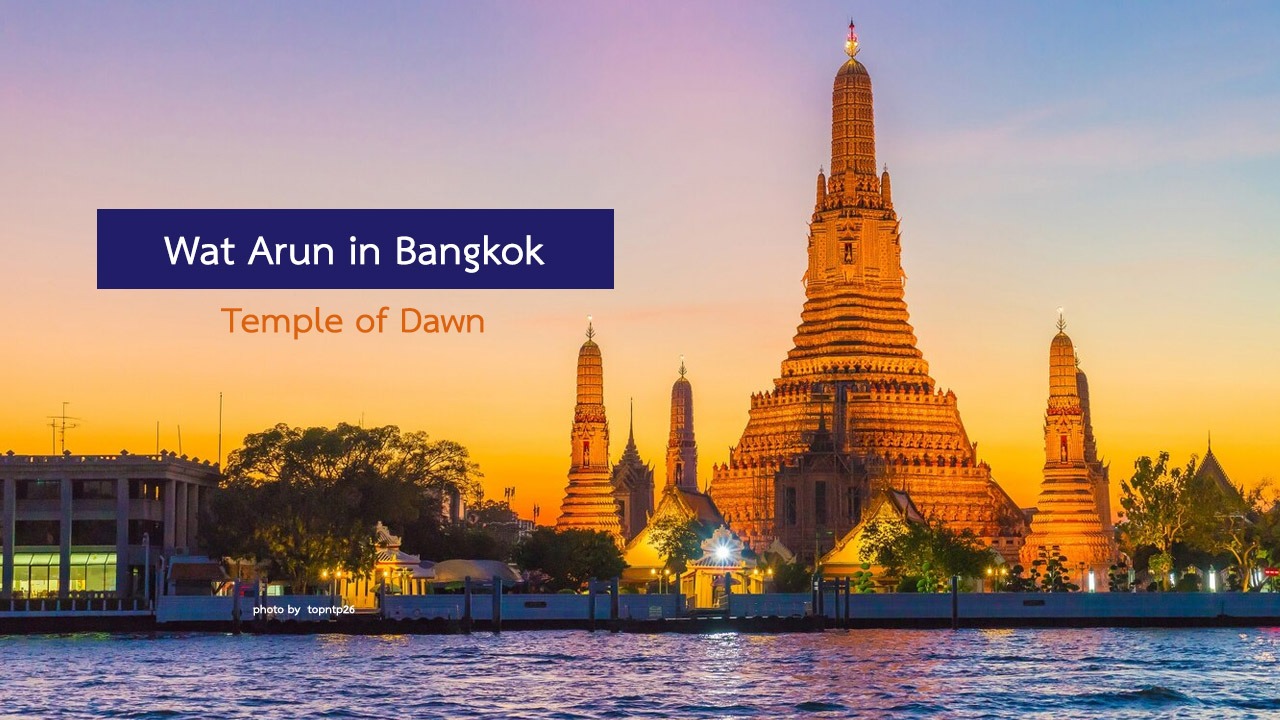
1. Wat Arun Ratchawararam Ratchawaramahawihan
- History & Beliefs: Wat Arun, famously known as the “Temple of Dawn,” traces its origins back to the Ayutthaya period. It gained true prominence through major restorations during early Rattanakosin, led by King Rama I and King Rama II. Its iconic central prang (a Khmer-style tower) stands as a powerful symbol of Bangkok’s grandeur and the flourishing of Buddhism.
- Significance of Ancient Structures/Artifacts: Standing approximately 80 meters tall, Wat Arun’s majestic prang is beautifully adorned with intricate patterns crafted from seashells and vibrant porcelain. This exquisite craftsmanship truly showcases the artistic mastery of Thai artisans from centuries past, making it a unique and defining architectural landmark of Bangkok.
- Age of Temple: Approximately 240-270 years old (built in the late 18th century).
- Province: Bangkok
- Region in Thailand: Central Thailand
- How to Get There: The most convenient way is to take a Chao Phraya Express Boat to Tha Tien pier, then cross the river by ferry to Wat Arun. Alternatively, you can take a taxi or public transport to Ratchini/Tha Tien pier and then take the cross-river ferry.
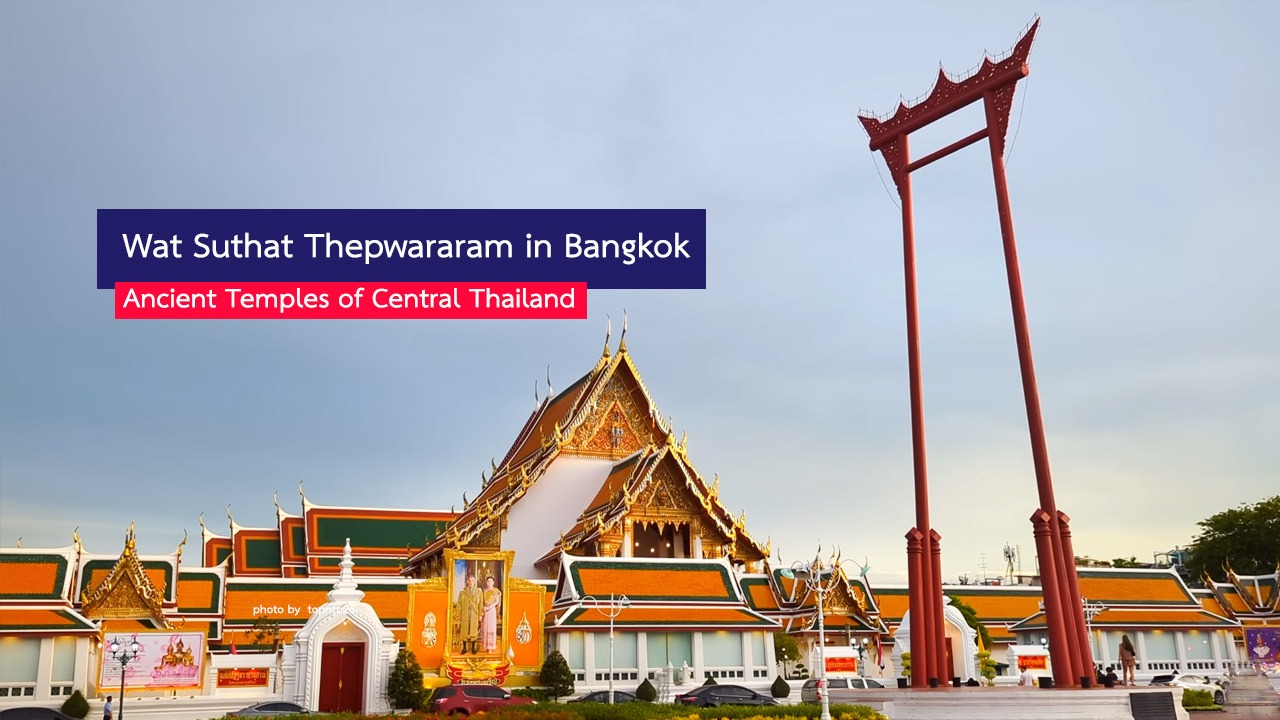
2. Wat Suthat Thepwararam Ratchaworamahawihan
- History & Beliefs: Construction of Wat Suthat began during the reign of King Rama I and was finally completed under King Rama III. It proudly houses “Phra Sri Sakyamuni” or “Phra To,” the largest bronze Buddha image in the Maravijaya posture from the Rattanakosin period, originally brought from Sukhothai. Worshipping this revered Buddha image is believed to bring peace and prosperity.
- Significance of Ancient Structures/Artifacts: Wat Suthat’s Ubosot (ordination hall) is celebrated as one of Thailand’s largest and most beautiful, featuring exquisite murals that vividly depict stories of the Lord Buddha’s life and Thai literature.
- Age of Temple: Approximately 240-243 years old (construction began in 1782 CE).
- Province: Bangkok
- Region in Thailand: Central Thailand
- How to Get There: Located right in the heart of Bangkok, near the Giant Swing. You can take the MRT to Sam Yot station or easily find a taxi/public bus.
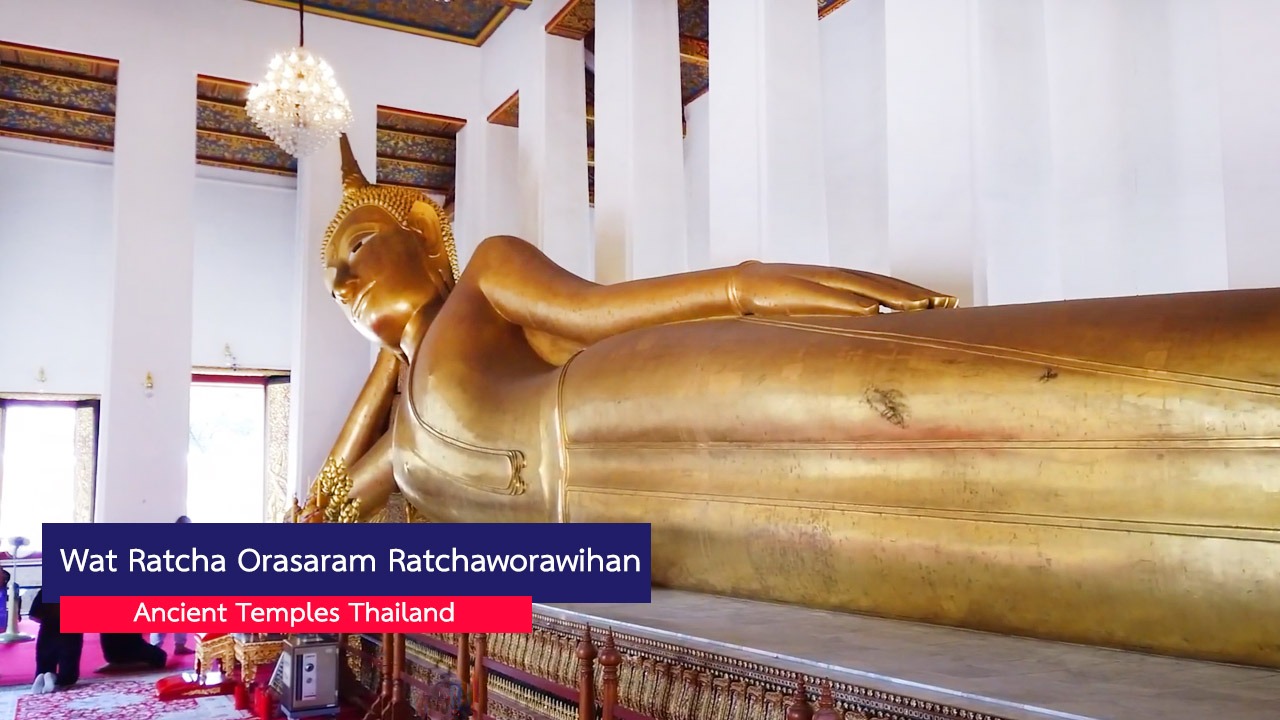
3. Wat Ratcha Orasaram Ratchaworawihan
- History & Beliefs: Originally named “Wat Chom Thong,” this temple dates back to the late Ayutthaya period and underwent a significant restoration during the reign of King Rama III, who adopted it as his royal temple. It’s truly distinctive for its unique Chinese-Thai architectural blend, beautifully reflecting the strong cultural ties between Thailand and China at that time.
- Significance of Ancient Structures/Artifacts: The Ubosot and Viharn (assembly hall) are notable for lacking the traditional chofa, bai raka, and hang hong (decorative roof elements) found in typical Thai temples. Instead, they showcase elegant Chinese-style stucco decorations, stunning murals, and a beautiful chedi (stupa) with twelve recessed corners.
- Age of Temple: Approximately 200-300 years old (built during the late Ayutthaya period).
- Province: Bangkok
- Region in Thailand: Central Thailand
- How to Get There: Situated along Khlong Bangkok Yai, not far from BTS Wutthakat station, or easily accessible by taxi/public bus.
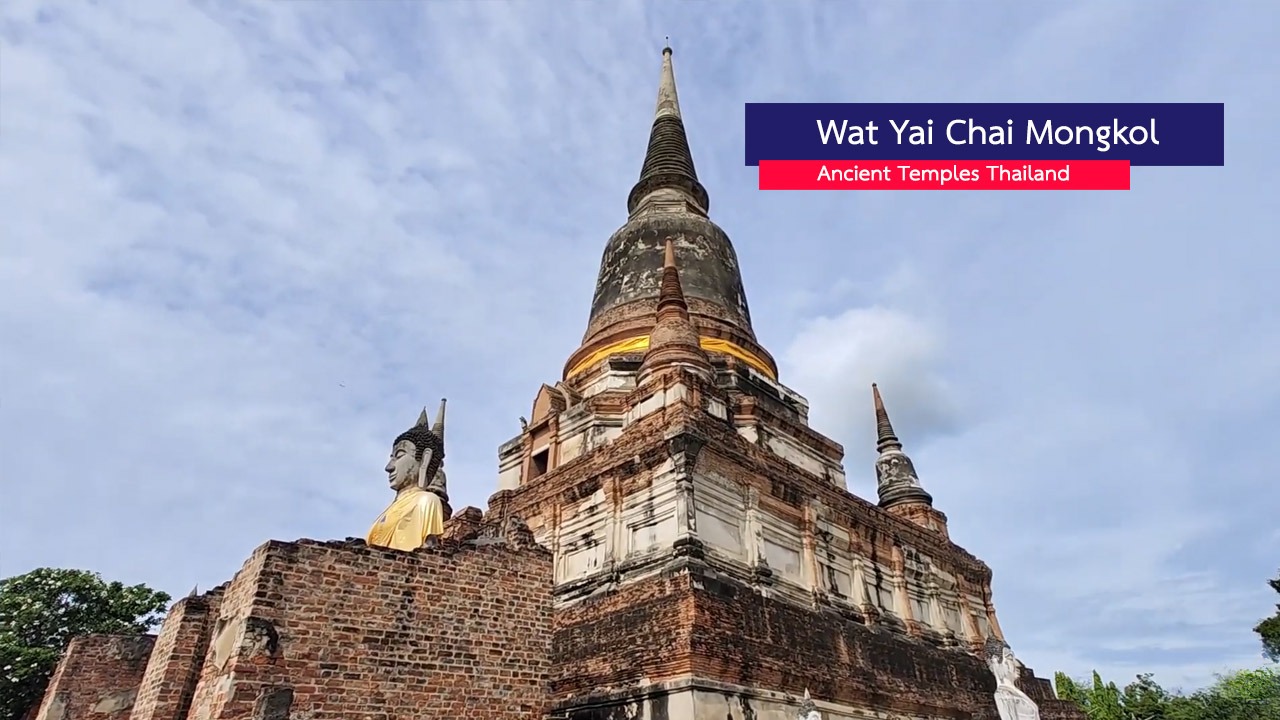
4. Wat Yai Chai Mongkol
- History & Beliefs: Founded by King U-Thong (Somdet Phra Ramathibodi I), the first king of Ayutthaya, this temple was built to accommodate monks returning from their studies in Sri Lanka. It also houses the ashes of King Naresuan the Great, commemorating his decisive victory over the Burmese crown prince in an elephant duel. This temple stands as a powerful symbol of triumph and prosperity among ancient temples Thailand.
- Significance of Ancient Structures/Artifacts: The colossal chedi, impressively visible from afar, enshrines the Lord Buddha’s relics. The temple also features a large reclining Buddha image, an important artifact built during King Naresuan’s reign.
- Age of Temple: Approximately 668 years old (founded in 1357 CE).
- Province: Phra Nakhon Si Ayutthaya
- Region in Thailand: Central Thailand
- How to Get There: Located southeast of Ayutthaya island. You can take a train to Ayutthaya station and then a tuk-tuk, or a minivan from Bangkok.
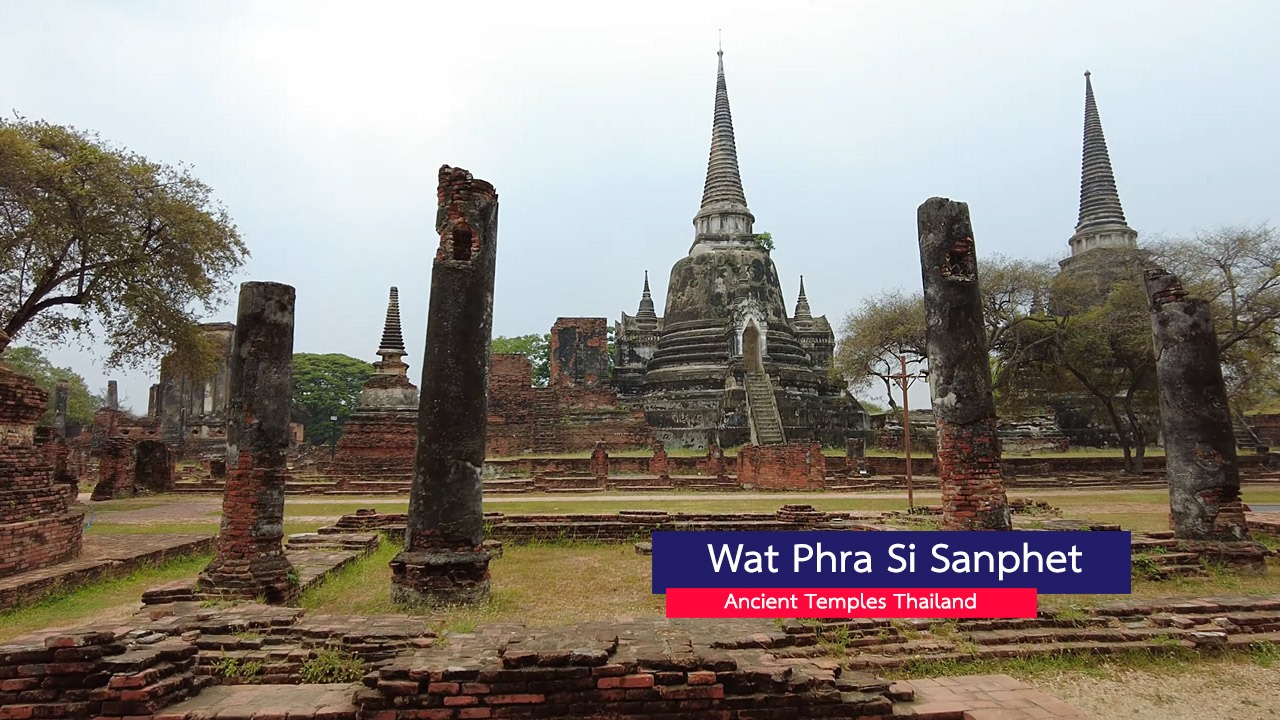
5. Wat Phra Si Sanphet
- History & Beliefs: This was once the most important temple within the Royal Palace of Ayutthaya, built during the reign of King Borommatrailokkanat. Its sheer grandeur truly reflected the immense prosperity of the Ayutthaya Kingdom.
- Significance of Ancient Structures/Artifacts: The three prominent chedis, standing majestically in a row, are the temple’s iconic symbols. They enshrine the ashes of several Ayutthaya kings. Despite being in ruins, these structures continue to exude a profound sense of beauty and sanctity.
- Age of Temple: Approximately 577 years old (built in 1448 CE).
- Province: Phra Nakhon Si Ayutthaya
- Region in Thailand: Central Thailand
- How to Get There: Located within the Ayutthaya Historical Park, near Wat Mongkhon Bophit. Accessible by train, minivan, or private car from Bangkok.
Follow us for more insider guides and updates on Thailand’s top destinations and experiences. @thaiimpact on x.com
About The Author